Physical fitness: running, weight training, yoga


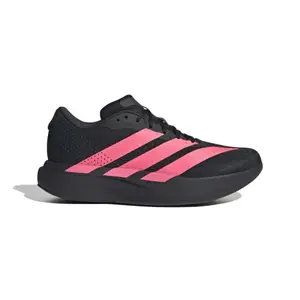

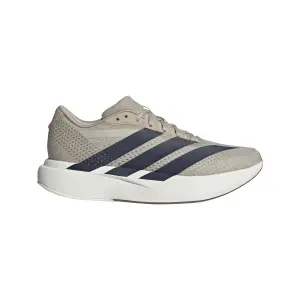

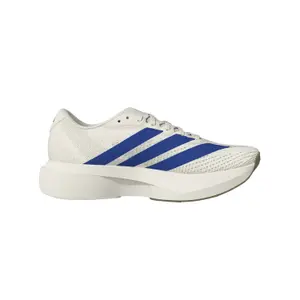
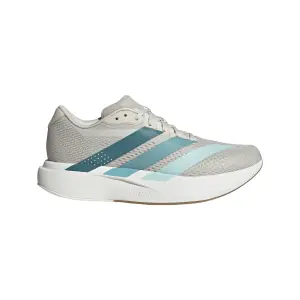


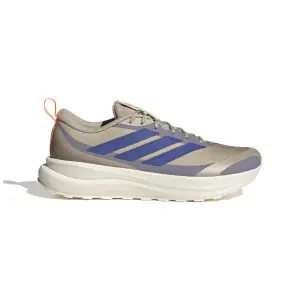


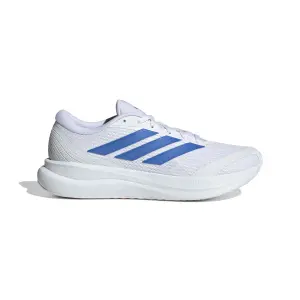
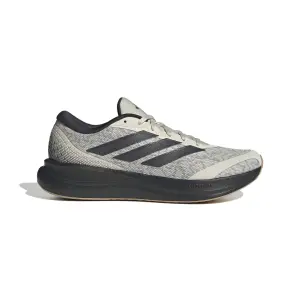


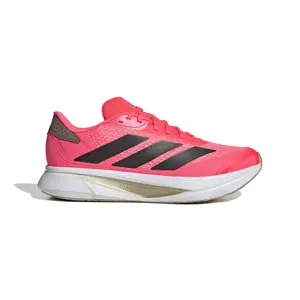


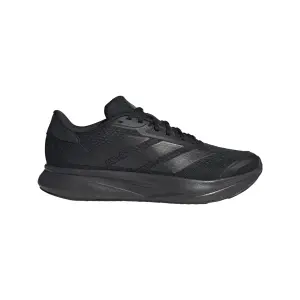


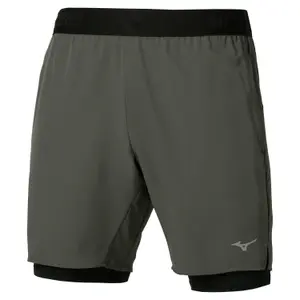
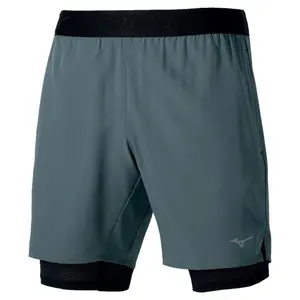
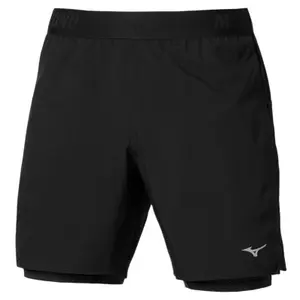


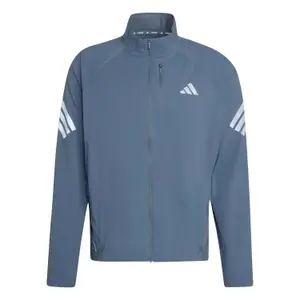

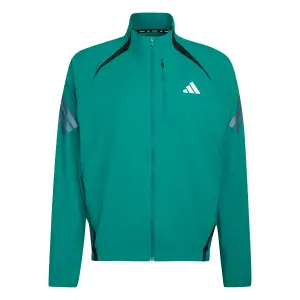
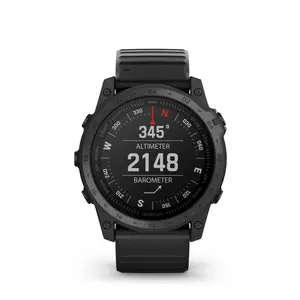


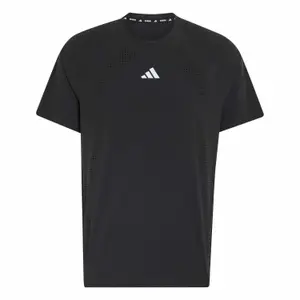


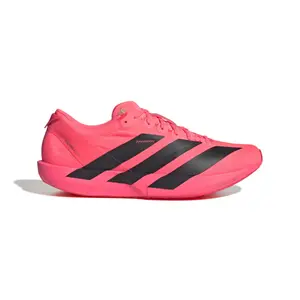
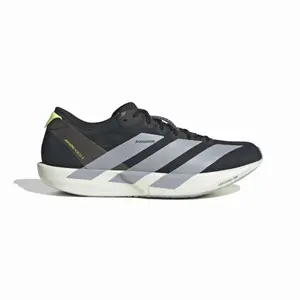
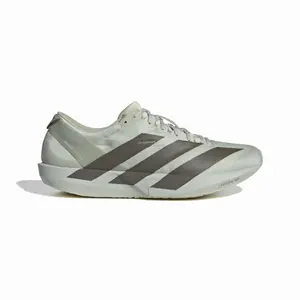

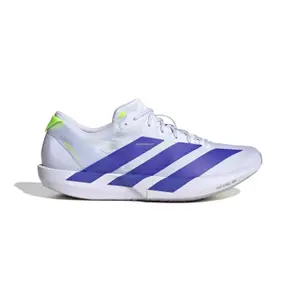

Running shoes, dumbbells, resistance bands, yoga mats, workout clothing: the physical maintenance page brings together everything that prepares a volleyball player off the court, to jump higher, absorb receptions better, and recover between matches.
Running, weightlifting, cardio, crossfit, yoga, or nutrition, each practice has its own page, for men, women, and juniors.
Why a volleyball player trains off the court
The volleyball uses the legs for jumping, the shoulders for hitting and serving, and the core for every reception. Regular physical work builds explosiveness, protects the joints, and delays fatigue at the end of the match. Preparation also takes place in the gym, running, or on a treadmill.
By practice: pages to explore
- The running gathers shoes and clothing for basic fitness and recovery runs.
- The weight training includes dumbbells, plates, bars, and racks for strength training.
- The cardio provides equipment to work on endurance at home.
- The crossfit includes jump ropes, bands, and circuit training equipment.
- The yoga helps with flexibility and recovery, with mats and clothing.
- The nutrition supports effort and recovery.
By target audience: men, women, juniors
The men's fitness and the women's fitness gather clothing, shoes, and accessories by cut. The junior fitness is aimed at young athletes. The new fitness arrivals include the latest items.
Jumping and support: what helps with jumping
Explosiveness is built through leg strength, squats, lunges, and standing on tiptoes, followed by jumping exercises. Jumping rope works on rhythm and ankle strength. Resistance bands add resistance to exercises without putting strain on the back. A yoga mat is useful for stability work, which stabilizes the core during landings.
Brands of physical preparation
- Hummel dresses the sessions, from Blaze Pro training socks to hmlCORE clothing.
- adidas provides shoes for runners, from Runfalcon to Adizero, including Supernova.
- Nike supplies headbands, water bottles, and session towels.
- Lotuscrafts offers yoga mats.
- Errea completes with training clothing.
- Mizuno provides running clothes.
Good deals on fitness
The special offers on fitness gather discounted items throughout the year. Equipment is also available during the equipment sales, and end-of-range items through the clearance.
Frequently asked questions
How many physical preparation sessions per week?
For a club player, one or two sessions in addition to training are enough. The important thing is consistency, and not scheduling a heavy leg session the day before a match.
Is running necessary to play volleyball well?
Long-distance running is not the core of volleyball, which is made up of short, explosive efforts. It does serve fitness at the start of the season and active recovery. Short intervals more closely resemble the effort of a match.
Can you build leg strength without a gym?
Yes, with bodyweight exercises, bands, and some dumbbells. Squats, lunges, wall sits, and jumps in place are enough to make progress.
Does yoga really help a volleyball player?
It maintains hip and shoulder flexibility, which are heavily used in volleyball, and teaches core stability. It’s also a good recovery session after a match.
What shoes are best for the gym?
A flat and stable sole is better than the thick cushioning of a running shoe. For heavy weights, a weightlifting shoe with a rigid heel keeps the foot stable.